

















The discovery could offer new ways to protect memory as we get older.
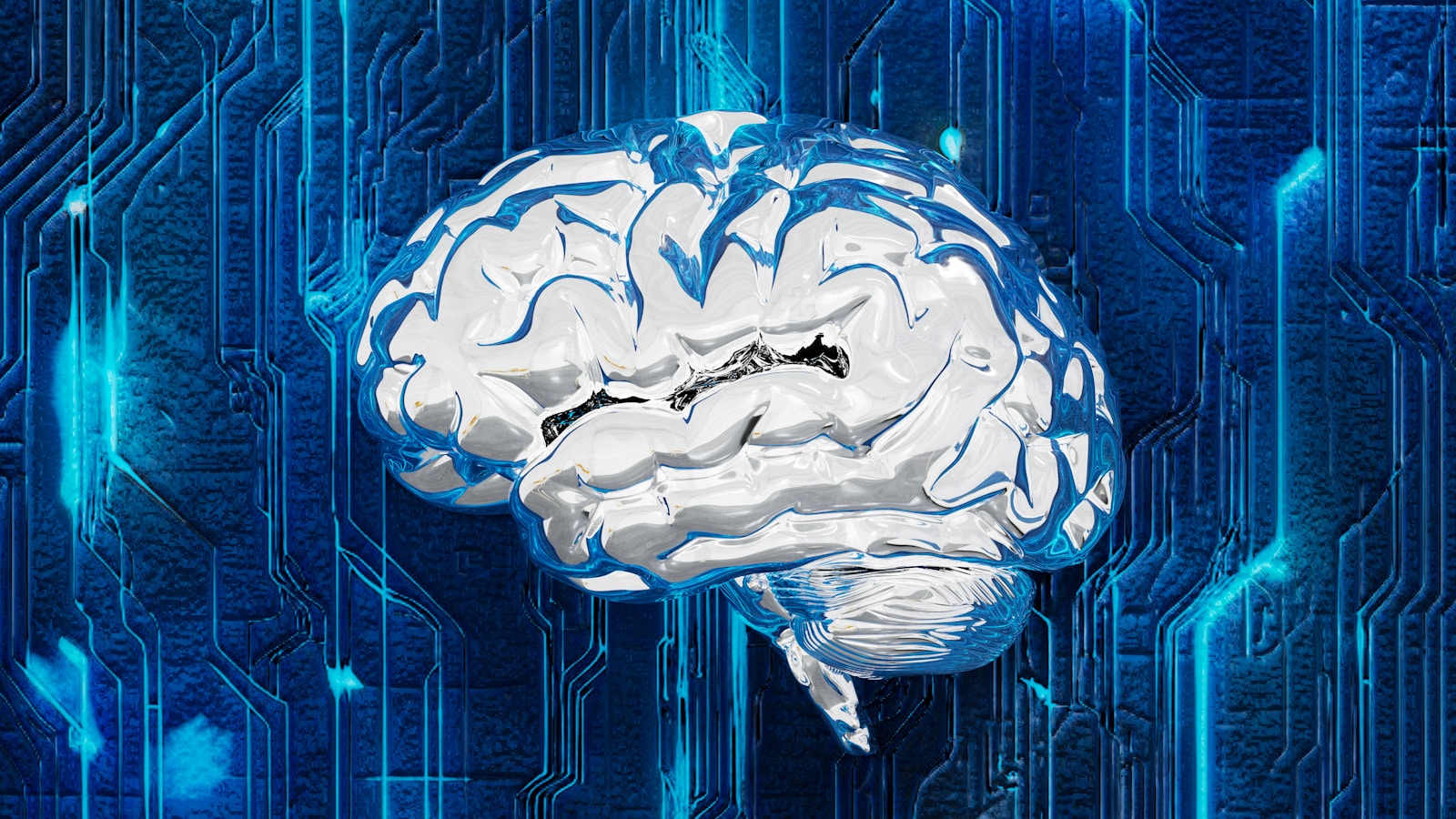
Researchers from Rutgers University found a rare gene mutation could help shield the brain from Alzheimer’s. While the findings can be described as nothing short of remarkable, the inspiration behind the research is even more compelling.
During a visit to his hometown in China, neuroscientist Peng Jiang met a neighbour whose mother struggled with Alzheimer’s and no longer recognised him. ‘How is your mother doing? Is she well?’ she asked her son, unaware she raised him.
‘The fact that there is still no effective treatment fuels my determination to pursue new therapeutic ideas,’ Jiang said.
The study, published this morning, focuses on microglia – the brain’s immune cells – and their job is to clean up waste and protect neurons. To investigate the mutation, scientists used stem cells to create human microglia carrying a rare genetic change called CSF2RB A455D. They then placed these microglia into mouse brains.
When the cells encountered Alzheimer’s-related toxic proteins, they stayed healthy, avoided harmful inflammation and cleared away the toxic material better than ‘normal’ microglia.
‘We transplant the cells, then inject pathological proteins,’ Mengmeng Jin, the study’s first author explained. ‘We observe how the human microglia reacts.’
When mutated and normal microglia were put together, the protective mutated cells gradually took over. The normal cells weakened, while the mutated ones stayed strong, effectively ‘refreshing’ the brain’s immune system. This happened in cells from people with Down syndrome – who often develop Alzheimer’s early – as well as the general population.
The discovery suggests new treatment possibilities and Jiang has described the work as more than just science. He said: ‘We’re trying to learn from nature to harness a naturally occurring mutation for therapeutic purposes.
Created in collaboration with the University of California, Irvine, Gladstone Institutes, Floria International University and Nanjing Medical University, the research can be found in full here.
Image: Ecliptic Graphic/UnSplash
In related news:
We keep talking personalisation, but when will it become reality?
Parents left to navigate children’s health amid NHS pressures
Leave a Reply