
















Our team at Social Care Today have published a new special report, People First With AI & Tech-Enabled Care, which is now available to download for free.
The report offers a comprehensive exploration of how emerging technologies are affecting the provision of social work and social care. It can be accessed in full here.
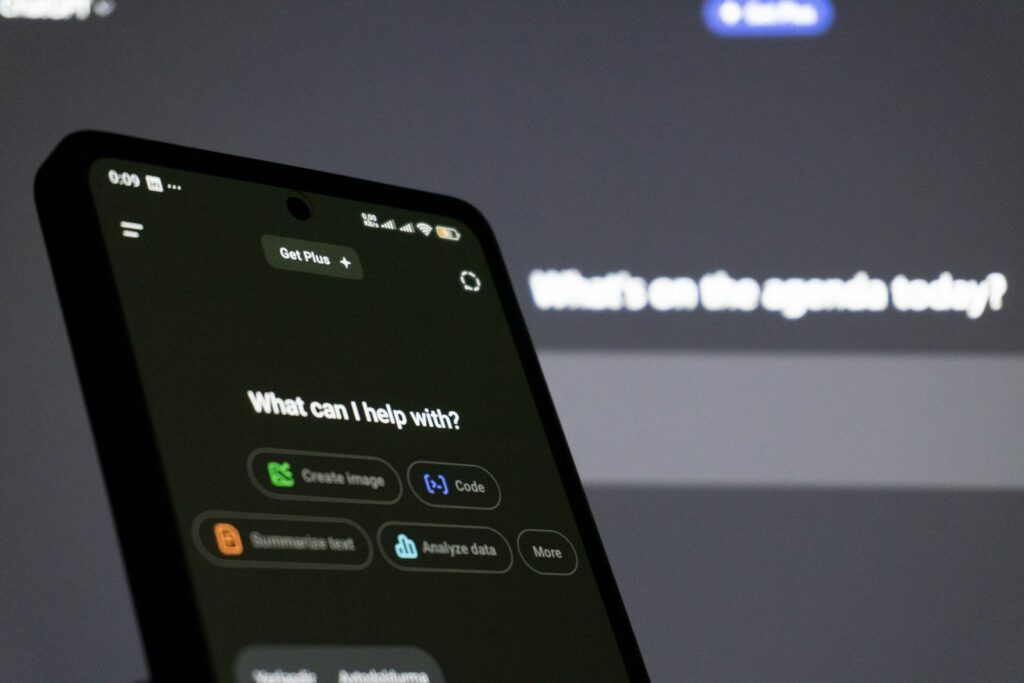
As the introduction to the report says ‘This isn’t the tech of the future; it’s already very much here.’ To give context, separate research from the Health Foundation shows 76% of NHS staff support the use of artificial intelligence (AI) for patient care and treatment recommendations. What’s more, 81% said they support AI for administrative tasks, including managing rotas.
Though, it’s not just AI. Technologies including motion sensors and video telecare are becoming increasingly more familiar within social care and social workers frequently use transcription systems to write up notes and assessments.
The government is likewise acknowledging how technology is impacting the health and care sector. In April this year, Wes Streeting said tech-enabled care (TEC) is ‘helping people to live independently in their own homes and improving the quality of care.’ As such, the government said they are eager to ‘harness the full potential of cutting-edge technology’.
However, the question remains, can tech really deliver what its proponents claim? Our research considers the hidden costs of implementing such technology and not just on the public and private purse.
The report covers what AI and TEC are, what they can and cannot do and the benefits and risks of using them in the social care sector. Journalist Simon Guerrier spoke to industry leaders, including Luke Geoghegan, Head of Policy and Research at the British Association of Social Workers (BASW), about why it’s important to think critically about how we use technology.
In similar vein, the report also includes several real-life case studies. These include the rollout of Cassius by Suffolk County Council, the Dorothy app designed to support people living with dementia, the Earzz acoustic monitoring system, and the experience of Bluebird Care NEW Devon in using Access Assure monitoring technology.
In related news:
Leave a Reply