



















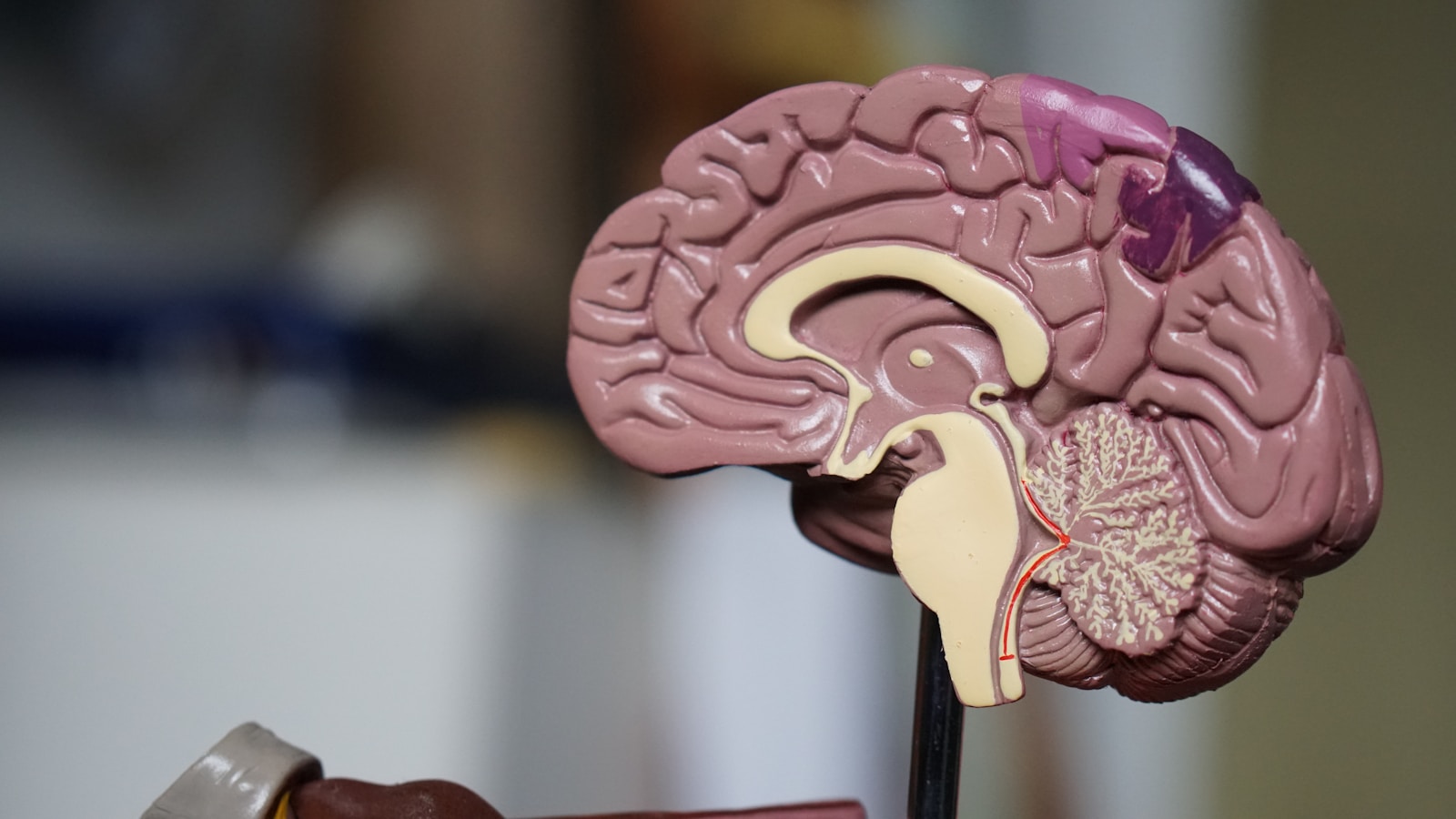
Experts from Johns Hopkins Medicine found air pollution may fuel deadly brain changes behind Lewy body dementia.
The study, published this morning, builds on years of research showing PM2.5 is associated with a higher risk of dementia. Here, experts focused on Lewy body dementia, an incurable condition. The disease is caused by the accumulation of abnormal proteins called alpha-synuclein and results in symptoms such as memory problems, confusion and movement difficulties.
In the research, experts found people living in areas with higher levels of PM2.5 pollution – emissions emitted from cars, domestic heating and fires – were more likely to develop Lewy body-related conditions, including Lewy body dementia and Parkinson’s disease dementia.
Co-author of the study, Xiao Wu, of Columbia University, said: ‘The statistical association we uncovered is even stronger than what previous studies found when lumping all Alzheimer’s and related dementias together — highlighting Lewy body formation as a potentially pivotal pathway that warrants deeper biological investigation.’
To explore why this happens, the team exposed mice to PM2.5 over several months. In normal mice, pollution triggered brain shrinkage, cell death and memory decline – similar to what’s seen in Lewy body dementia. In contrast, mice genetically engineered to lack the alpha-synuclein protein did not show these changes.
Lead investigator Xiaobo Mao, Ph.D., of Johns Hopkins said: ‘We have identified a novel strain of Lewy bodies formed after exposure to air pollution. By defining this strain, we hope to establish a specific target for future drugs aimed at slowing the progression of neurodegenerative diseases marked by Lewy bodies.’
Importantly, the effects were consistent across samples of pollution collected from China, Europe, and the U.S., suggesting PM2.5 may have similar harmful impacts globally.
Shizhong Han, Ph.D., lead investigator at the Lieber Institute said: ‘This suggests that pollution may not only trigger the build-up of toxic proteins but also drive disease-related gene expression changes in the human brain.’
While genetic factors play a significant role in neurodegenerative disease, the researchers say people can potentially control their exposure to pollution.
Xiaodi Zhang, Ph.D., a first author of the study and postdoctoral fellow at the school of medicine, added: ‘Our next goal is to figure out which specific components in air pollution are driving these effects. Understanding that could help guide public health efforts to reduce harmful exposures and lower the risk of disease.’
News of the research comes amid World Alzheimer’s Month, an event founded to break the stigmas against Alzheimer’s and dementia.
Photo by Robina Weermeijer via UnSplash
In related news:
Martha’s rule implemented across all acute hospitals in England
Transforming supported living before crisis becomes collapse
Leave a Reply