







Despite only being introduced this morning, measures to filter out harmful content on websites and social media might already be posing more harm than good.
From today (July 25th) individuals looking to access websites and social media apps will be asked to confirm their identity. The move comes as part of the Online Safety Act – a legislation created to protect children from consuming harmful digital content.
The change has been introduced by Ofcom and will affect dozens of websites including, X (formally known as Twitter), Reddit and sites that host pornography.
According to the media regulator, websites can verify the age of users in a number of different ways such as through credit card checks, photo ID uploads and estimating someone’s age using AI.
Though intentions remain good, these checks are one of the first issues people have with the new system. Taking to a sub on Reddit, people have expressed their concerns about their personal information getting leaked.
One post reads: ‘I don’t think this new strategy has been thought through. Asking people to provide their personal information to goodness knows who is extremely risky.
‘Kids will get around this better than adults, so it’s unlikely to provide any real security, but puts Brits’ personal information on the line.’
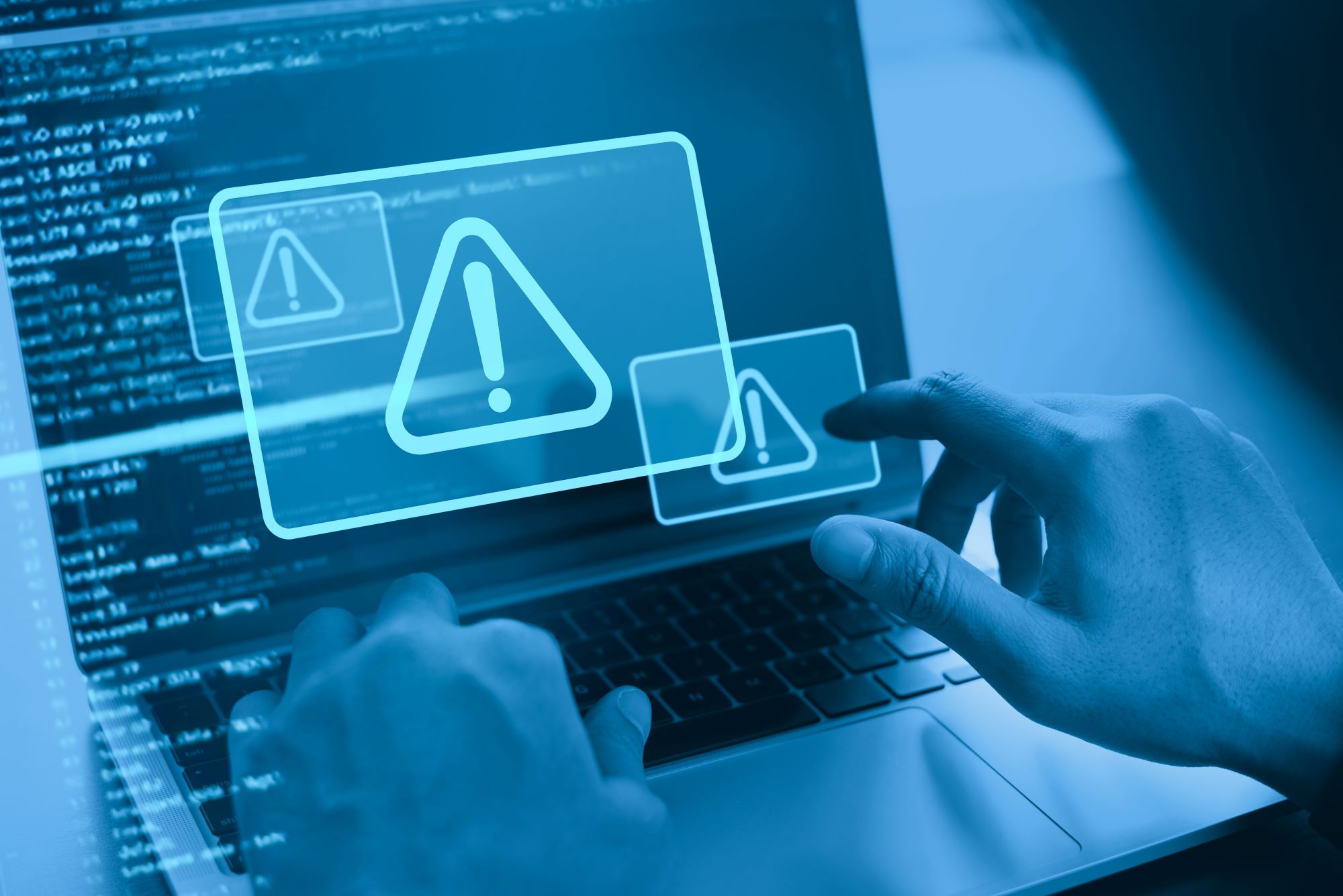
To give context, separate figures from the government show around 43% of businesses and 30% of charities reported experiencing a cyber security breach or attack in the past year.
Alongside introducing age verifications, platforms are being asked to suppress the spread of any information that could be deemed not safe for work (NSFW). This includes content relating to suicide, mental health, eating disorders, the promotion of dangerous stunts, bullying and substance abuse.
However, this is a problem for people who suffer with their mental health and turn to the internet for support. To give background, a post on Reddit reads: ‘Half my reddit feed was gone the morning of this being implemented. Stuff to do with drink, drugs, mental health, war, all sorts of things like that.
‘This has finally pushed me to get a permanent VPN. I already thought this country and government were a joke but this just takes the biscuit, and if they can bring something in like this as easy as they have done then it sets a precedent of what else can they do? It all feels very 1984 thought police, who knew we’d finally get to this situation in 2025.’
Installing a virtual private network (VPN) is an idea many people in the UK could adopt. The software is a legal way to securely connect one device to another by using the internet. They have a variety of uses, but one includes getting access to anything blocked because of your location.
According to Ofcom, websites and apps have been advised to not host, share or permit content that encourages the use of VPNs to get out of completing an age check. Though, earlier this week, Katie Freeman-Tayler of Internet Matters, told the BBC: ‘VPN use is only likely to increase when measures come into force’.
Against this backdrop, Kinda Jardine, director of children and family services at Children First, claims that despite the Online Safety Act being created to protect children, it isn’t set up for success.
‘Scotland is in the grip of a childhood emergency and online harm is one of the greatest threats children and young people face today,’ Kinda explained. ‘Tech companies must put children first. They design the platforms, set the rules, and profit from the engagement. It’s time they stopped shirking their responsibilities.
‘We are calling on governments across the UK to work together with tech companies, children, families and those who support them to develop a comprehensive strategy to shine a light on the online harms children face and take action to keep them safe.’
Image via Shutterstock.
In related news:
Leave a Reply