














The drug has been developed by an organisation called Novartis and is expected to be rolled out in African countries within weeks.
In 2023 – the year for which the most recent figures are available from the World Health Organisation (WHO) – malaria was linked to 76% of deaths in children under five years old. Until now, there has been no malaria treatment available for babies and very young children, but Swiss authorities have recently approved a new drug that could see death rates plummet.
The medicine, otherwise known as Coartem Baby or Riamet Baby, works by being dissolved into infants’ drinks, including breastmilk. It also has a cherry flavour to make it easier to administer.
Prior to this treatment being approved, children that weighed less than 4.5kg who contracted the disease were treated with medicines designed for older kids. This brought a huge risk of overdose because babies livers are not fully developed.
While creating the new drug, which is expected to be introduced on a largely not-for-profit basis, eight countries took part in the clinical trial. This includes Kenya, Malawi, Nigeria, Tanzania, Uganda, Mozambique, Burkina Faso and Cote d’Ivoire.
According to Professor Umberto D’Alessandro, from the London School of Hygiene and Tropical Medicine: ‘The available malaria treatments have only been properly tested in children aged at least six months because smaller infants are usually excluded from treatment trials.’
News comes as scientists have warned that more than half of the world’s population could be at risk of catching diseases transmitted by mosquitoes, which includes malaria.
Vas Narasimhan, chief executive of Novartis, has said the creation of the new drug is a huge breakthrough moment.
‘For more than three decades, we have stayed the course in the fight against malaria, working relentlessly to deliver scientific breakthroughs where they are needed most,’ he said. ‘Together with our partners, we are proud to have gone further to develop the first clinically proven malaria treatment for newborns and young babies, ensuring even the smallest and most vulnerable can finally receive the care they deserve.’
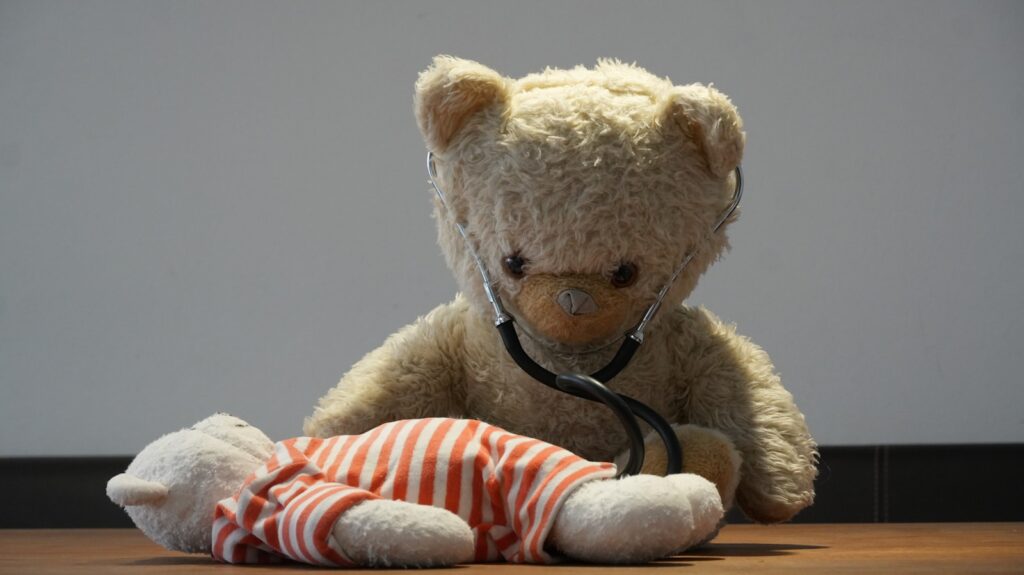
Photo by Wolfgang Hasselmann via UnSplash
In related news:
Leave a Reply